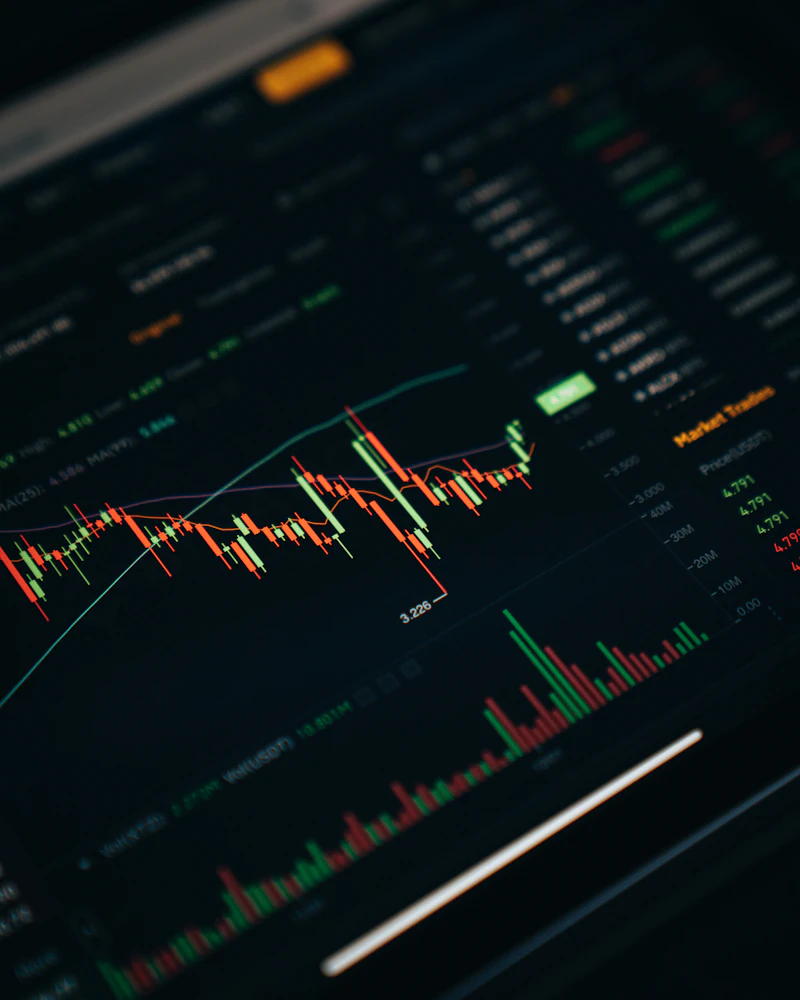
Crypto Day Trading for Beginners: Rules, Risks and a Simple First Strategy

- Primary Signal: Crypto Day Trading for Beginners: Rules, Risks and a Simple First Strategy
- Overview: Crypto day trading means opening and closing trades within one day, in a market that never sleeps. This guide explains the rules, the risks, and one simple strategy beginners can p...
- Verification: Analyzed and compiled by CryptoAce VIP editorial monitoring desk.
Crypto day trading means opening and closing trades within one day, in a market that never sleeps. This guide explains the rules, the risks, and one simple strategy beginners can practise before risking real money.
This guide covers what crypto day trading means, rules beginners should follow, a simple first strategy, and risks and realistic expectations. Each section explains the topic with concrete examples, so you can use what you learn straight away.
A crypto day trader opens and closes every position within the same day, so no trade is left open overnight. Unlike stock markets, crypto trades twenty-four hours a day, which means day trading can happen at any hour, including weekends. The goal is to profit from small intraday price moves, using leverage sparingly or not at all while learning.
Risk only one to two percent of the account on each trade, and set a stop loss before entering, never after. Trade only one or two liquid pairs at first, such as BTC/USDT or ETH/USDT, where spreads are tight and orders fill fast. Set a daily loss limit in advance, and stop trading for the day the moment it is reached, no matter how tempting one more trade looks.
Start with trend trading on the one-hour chart: only take long trades when the price is above the 50-period moving average. Enter on a pullback to a recent support level, with a stop loss just below it and a target at the last swing high. Practise the setup on a demo account for at least thirty trades, and only go live when the rules feel automatic.
Crypto's volatility means a day trader can lose several percent in minutes, even with a stop loss, when price gaps or slippage strikes. Fees add up fast: ten trades a day at 0.1 percent each costs one percent of the traded amount, before any profit. Studies of day traders in other markets show most lose money, so treat the first months as paid education and keep position sizes tiny.
More from CryptoAce VIP