What Happens When Bitcoin Whales Sell? Price Impact Explained
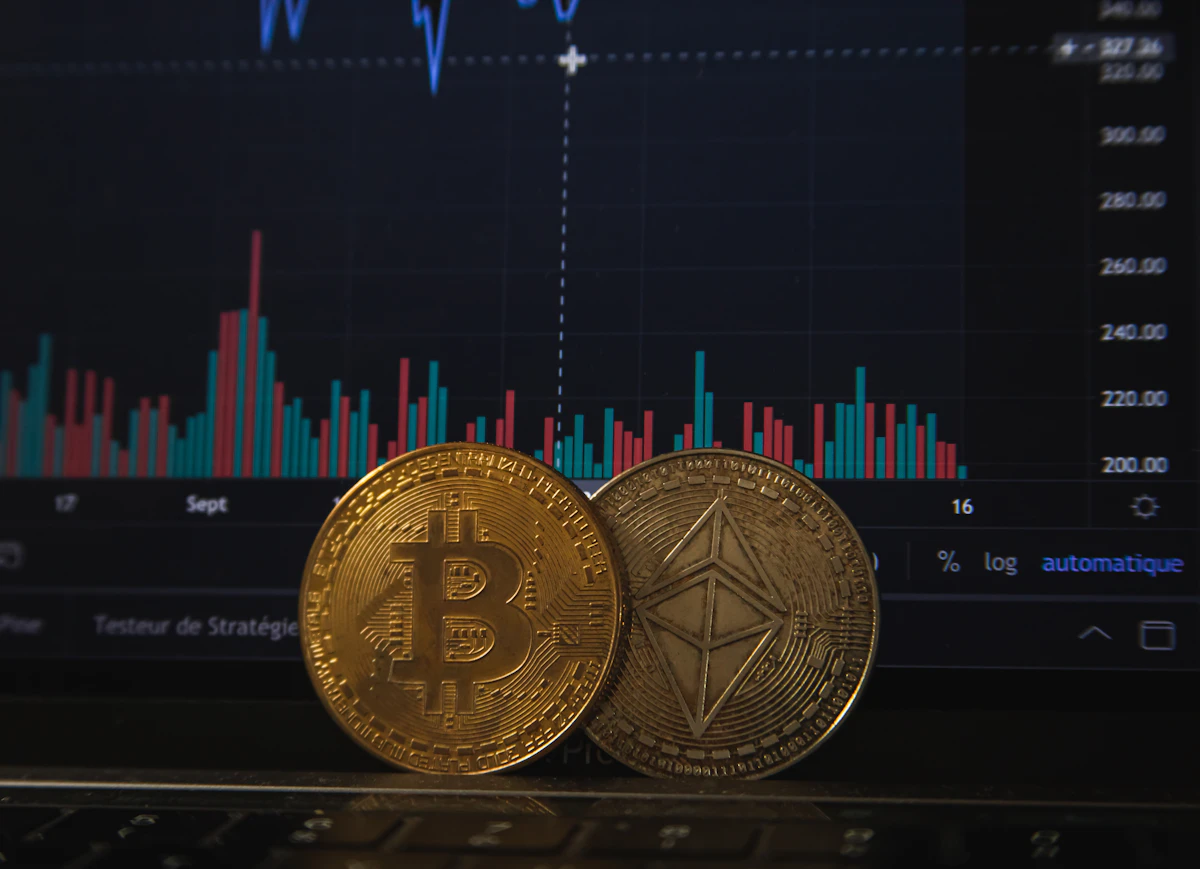
- Primary Signal: What Happens When Bitcoin Whales Sell? Price Impact Explained
- Overview: A whale moving 1,000 BTC to an exchange can drop the price 3 to 5 percent, but most large transfers are not sales at all. Here is what whale selling really does to Bitcoin's price ...
- Verification: Analyzed and compiled by CryptoAce VIP editorial monitoring desk.
When Bitcoin whales sell, the market notices. A single wallet moving 1,000 BTC to an exchange can trigger alerts across X and Telegram, push the price down several percent, and start a wave of panic selling among smaller holders. But not every whale sale means the same thing, and many of the alerts that scare retail traders are not sales at all. Understanding what actually happens when whales sell, and what it means for the price, is one of the most useful skills a crypto investor can learn.
First, the scale. Bitcoin whales are usually defined as wallets holding 1,000 BTC or more, worth roughly 77 million dollars at recent prices. Together, whale wallets hold around 15 percent of all Bitcoin. When several of them move coins to exchanges at the same time, the market feels it, because the available supply on exchanges is limited. A sustained inflow of 10,000 BTC to exchanges over a week is a meaningful event. A single transfer of 1,000 BTC is often not.
What A Whale Sale Actually Does To Price
A whale sale affects the price through supply and demand, and the effect depends on how the sale is executed. If a whale sells 1,000 BTC in one market order, the price can drop 2 to 5 percent in minutes, because the order eats through the buy orders on the book. That is why smart whales sell through over-the-counter desks, in small tranches over days, or with algorithmic execution that hides their activity. The whales you see on Whale Alert are often the careless ones, or the ones moving coins between their own wallets.
The price impact also depends on the market's mood. In a strong bull market with heavy retail buying, even a large whale sale can be absorbed in hours, and the price recovers quickly. In a weak market with thin buying, the same sale can start a cascade: the price drops, leveraged long positions get liquidated, the liquidations push the price lower, and more positions get liquidated. Data from on-chain analysts suggests that transactions above 1,000 BTC often precede price moves of 3 to 5 percent within 24 hours, but the direction is not guaranteed. Whales also sell into strength and buy into weakness, which is the opposite of what panic sellers do.
How To Tell A Real Sale From Noise
Most large Bitcoin transfers are not sales. The three categories cover almost everything you will see. Wallet-to-wallet transfers are usually one entity moving funds between its own addresses, often for custody or security reasons. Exchange-to-exchange transfers are usually an exchange rebalancing its own hot and cold wallets. Only exchange inflows, when coins move from a private wallet into an exchange deposit address, signal a possible sale, and even then the coins might be moved for lending, collateral, or an OTC settlement that never touches the open market.
The reliable signal is a pattern, not a single transfer: sustained inflows above the 30-day average, across several large wallets, at the same time. Check whether inflows coincide with a rise in total Bitcoin held on exchanges. Glassnode and CryptoQuant publish exchange inflow data that makes this check easy. A single Whale Alert post is not a pattern. A week of rising inflows is.
What Should You Do When Whales Sell
For most investors, the answer is nothing, or very little. If you are a long-term holder, a whale sale is noise. Bitcoin has survived every whale distribution event in its history, and the coins sold by one whale are bought by someone else, often at a lower price. Panic selling because a whale moved coins is the most common way retail traders lose money: they sell at the bottom of a dip caused by a transfer that was never a sale.
If you are a trader, use whale inflows as one input among many. Combine them with the funding rate, the open interest in futures, and the overall trend. A whale inflow during an uptrend with low funding rates is less worrying than the same inflow during a downtrend with high open interest. And never trade on a single alert. Wait for confirmation, set your stop loss, and size the position so that being wrong costs 1 percent of your account. The whale does not know you exist. Trade accordingly.
Q: Does a Bitcoin whale sale always crash the price?
A: No. A single whale transfer rarely moves the price much, and smart whales sell gradually through OTC desks to avoid crashing the market. Sustained inflows from several whales can precede a 3 to 5 percent move, but the direction is not guaranteed and bull markets often absorb large sales quickly.
Q: How do I know if a whale is really selling?
A: Look for coins moving from private wallets into exchange deposit addresses, sustained above the 30-day average, across several large wallets. Wallet-to-wallet transfers and exchange-to-exchange transfers are usually custody moves, not sales. Tools such as Glassnode and CryptoQuant publish exchange inflow data.
Q: Should I sell my Bitcoin when whales sell?
A: For long-term holders, usually not. Whale sales are a normal part of the market, and panic selling on a single alert is how retail traders lock in losses. Use whale flows as context for your own plan, not as a sell signal on their own.
More from CryptoAce VIP