What Is a Memecoin? The Hype, the Risks and What Beginners Should Know
- Primary Signal: What Is a Memecoin? The Hype, the Risks and What Beginners Should Know
- Overview: Memecoins turn internet jokes into billion-dollar assets, and then back into nothing. Learn what they are, why they pump, and how to avoid losing money on the hype....
- Verification: Analyzed and compiled by CryptoAce VIP editorial monitoring desk.
A memecoin is a cryptocurrency inspired by an internet joke, a meme, or a viral moment, with little or no technical purpose beyond the joke itself. Dogecoin started as a parody of Bitcoin, and it went on to reach a market value in the tens of billions. Since then, thousands of memecoins have launched, most of them worthless within weeks. Understanding what they are, and what they are not, is essential before anyone puts money into one.
How Memecoins Are Different From Other Crypto
The difference is purpose. Bitcoin was designed as digital money, Ethereum as a platform for applications, and stablecoins as a reliable store of value. Memecoins were designed as jokes, and their value comes almost entirely from attention: social media buzz, celebrity mentions, and the fear of missing out. When the attention moves on, the price usually follows it down.
That does not make them worthless by definition. Dogecoin has survived for over a decade, built a large community, and is accepted by some merchants. But the vast majority of memecoins have no community, no development, and no reason to exist beyond a few weeks of speculation. Telling the difference between a lasting community coin and a passing joke is the core skill of memecoin trading.
Why Memecoins Pump So Hard
Memecoins pump because they are cheap, volatile, and easy to talk about. A coin priced at a fraction of a cent feels like it could go to a dollar, even though the maths of market capitalisation makes that nearly impossible for most of them. Social media amplifies the effect: a single viral post can send thousands of buyers into a coin with almost no liquidity, and the price can multiply in hours.
Low liquidity is the hidden amplifier. When very few coins are available to buy, even a small amount of buying pushes the price up sharply, which attracts more buyers, which pushes the price higher again. This feedback loop is what creates the spectacular charts that memecoin promoters screenshot, and it reverses just as violently when the buying stops.
The Risks: Rugs, Scams and Volatility
The biggest risk is the rug pull, where the creators of a memecoin quietly sell their holdings or drain the liquidity pool, leaving everyone else with worthless tokens. Rug pulls are common because launching a memecoin costs almost nothing and requires no identification. A coin that looks like a community project can be a scam from the start, and by the time the rug is obvious, the money is gone.
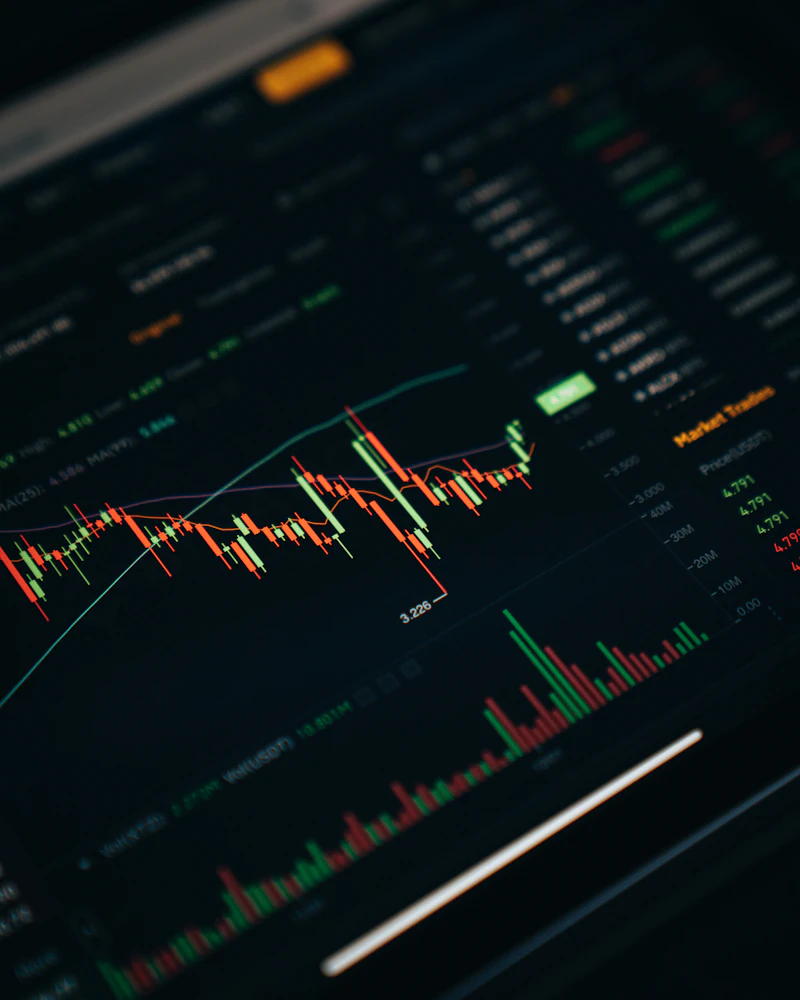
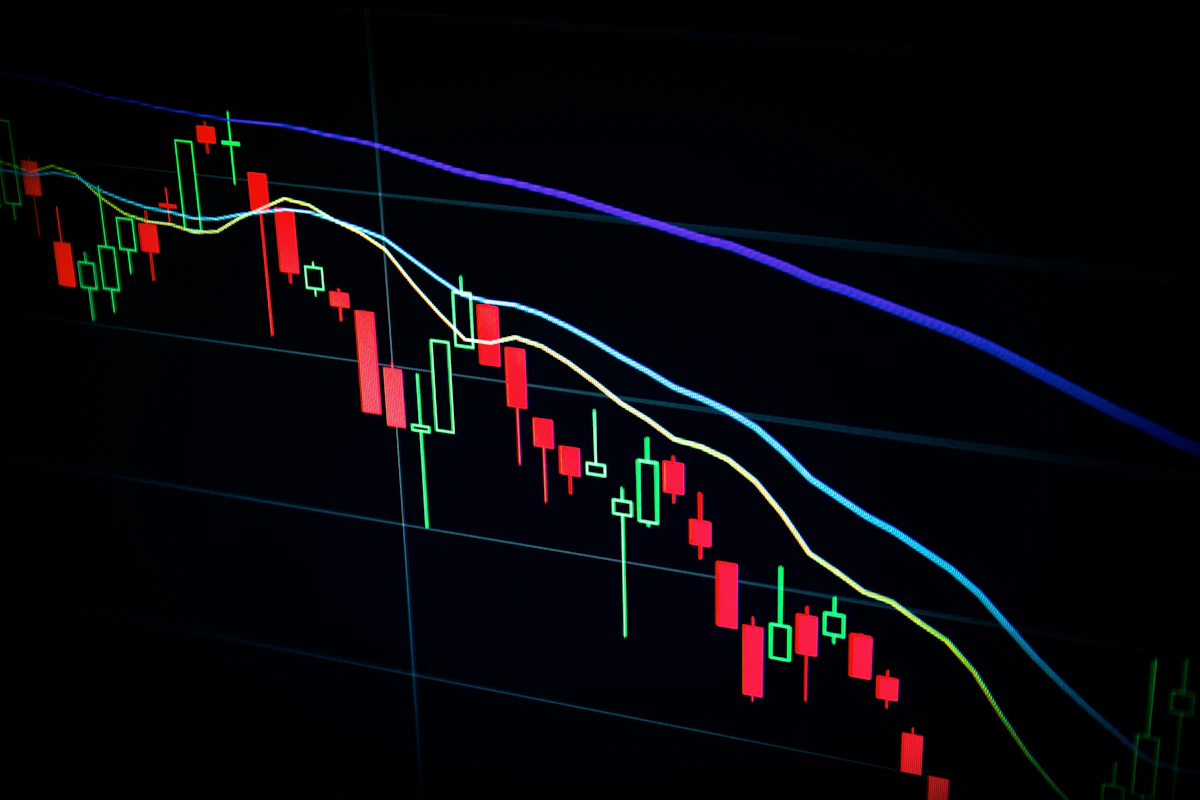
Even honest memecoins are brutally volatile. Drops of 50 to 90 percent in a day are normal, and many memecoins never recover. The coins that do recover usually do so because of a genuine community that keeps building and promoting long after the initial hype fades. Most do not have that community, and their charts tell the story plainly.
How to Research a Memecoin Before Buying
Before buying any memecoin, check a few basics. Is the liquidity locked, so the creators cannot drain it? Is the contract renounced or verified, so there are no hidden functions that let the creators mint new coins? How are the tokens distributed: if a handful of wallets hold most of the supply, they can crash the price by selling. Is there a real community, with people discussing the project beyond price predictions?
None of these checks guarantees safety, but skipping them guarantees ignorance. Free tools exist to check contract safety and holder distribution, and spending ten minutes on them before buying is the cheapest insurance in crypto. If the checks look bad, walk away: there will be another memecoin tomorrow.
Should Beginners Buy Memecoins?
For most beginners, the honest answer is to treat memecoins as entertainment, not investment. If you want to participate, use an amount you are fully prepared to lose, such as the cost of a meal out, and treat it as the price of the experience. Never put rent money, savings or borrowed money into a memecoin, and never chase a pump that has already happened: by the time you hear about it, the early buyers are usually selling.
Memecoins are a real part of crypto culture, and they can be fun. But fun and profit are different things, and the traders who survive memecoin season are the ones who remember which one they are chasing. This article is educational only and is not financial advice. Crypto assets are volatile and you can lose your entire investment; never invest money you cannot afford to lose.
More from CryptoAce VIP