
How to Safely Store Crypto Across Multiple Wallets
One wallet means one point of failure. Learn a vault, trading, and experimental wallet structure that limits damage from any single compromise.
105 stories published in November 2026
One wallet means one point of failure. Learn a vault, trading, and experimental wallet structure that limits damage from any single compromise.

A pending transaction is usually a low gas fee or nonce queue issue, not a loss. Learn to check the explorer, speed up, cancel, or wait safely.

Gas fees spike with network demand and vary by transaction type. Learn to read gas trackers, time transfers, and choose the right network before sending.

Fake support agents prey on worried users, asking for seed phrases or payments. Learn how they operate and how to verify real support safely.

Crypto seed phrase backup methods compared: paper, metal plates, multiple locations, and Shamir secret sharing, plus how to test your restore before you need it.
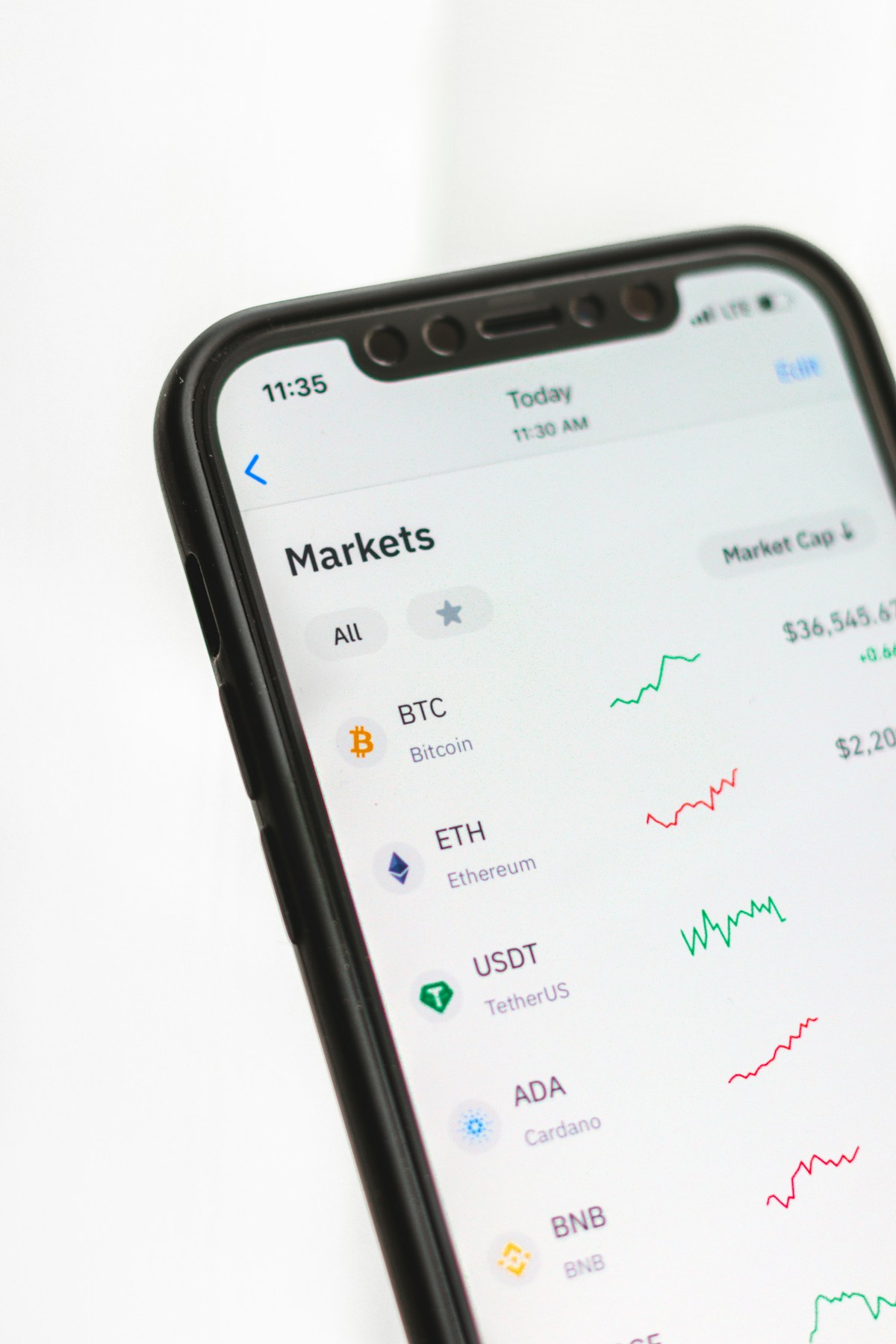
A beginner's hardware wallet setup guide: buying from official sources, installing the real companion app, creating a PIN and recovery phrase safely, and testing with a small transaction.
What stablecoin depeg risks really are: how the dollar peg is held up by redemption and arbitrage, the four ways it breaks, the three types of depeg, and a checklist before holding.

How crypto wallet drainer scams work through malicious token approvals, the phishing tactics that deliver them, red flags before signing, and what to do if you signed one.

How to secure a crypto exchange account: passkeys and authenticator apps over SMS, withdrawal whitelists, anti-phishing codes, alert monitoring, and limiting exchange balances.
What crypto address poisoning is, how scammers plant lookalike addresses in your transaction history, and the sending habits — address book, full verification, test transfers — that stop it.

A crypto tax record keeping guide: what counts as a taxable event, how to consolidate exchange and wallet activity, a monthly reconciliation routine, and common mistakes to avoid.

Crypto private key vs seed phrase explained: what each one controls, when you need each, how to back them up safely, and the confusions that cause real losses.
How to revoke token approvals in DeFi: why old unlimited approvals are dangerous, how to review and revoke them with trusted tools, and a safer approval routine.
How to make a crypto inheritance plan: inventory without exposing keys, choosing heirs and helpers, secure access designs like split secrets and multisig, and legal and tax notes.
Phishing emails and fake support agents are the most common way crypto is stolen. Learn the red flags, the verification steps, and what to do if you clicked a bad link.
A SIM swap lets an attacker take over your phone number and reset your accounts. Here is how it works, why SMS 2FA is the weak link, and how to protect your crypto accounts.
Cold wallets and hot wallets are not rivals; they are tools for different jobs. This guide explains the trade-offs in security, convenience and cost, and how to split funds between them.
Before you buy a new token, verify its contract, not just its website. This guide shows how to check the contract address, liquidity, holders and permissions on a block explorer.
Rug pulls drain liquidity and disappear overnight, but most show warning signs first. Learn the red flags in team, liquidity, tokenomics and marketing that should make you walk away.
DeFi lending can earn yield, but liquidation, smart contract bugs and stablecoin risk can wipe out deposits. This guide explains how lending protocols work and how to manage risk.
Staking can earn rewards, but slashing, lockup periods and validator failures can cost you. This guide explains how staking works and how to choose validators and stake safely.
Bitcoin halvings cut new supply in half every four years. This beginner guide explains what a halving is, why it matters for miners and price, and what past halvings actually did.
Diversification can reduce crypto risk, but buying twenty random coins is not diversification. This beginner guide explains allocation, correlation and rebalancing in plain terms.
Fake exchanges and apps steal deposits by mimicking real platforms. Learn how to verify an exchange, check app listings, and test withdrawals before trusting a platform.