FinCEN drops crypto mixing proposal as backlash kills rule

Story summary
FinCEN abandons proposed privacy-related reporting requirements, while existing anti-money-laundering duties remain. The post FinCEN drops crypto mixing proposal as backlash kills rule appeared first on CryptoSlate.
📌 Key Highlights & Takeaways
- FinCEN abandons proposed privacy-related reporting requirements, while existing anti-money-laundering duties remain.
- The post FinCEN drops crypto mixing proposal as backlash kills rule appeared first on CryptoSlate.
US Treasury’s Financial Crimes Enforcement Network (FinCEN) announced on Oct. 5 that it is withdrawing a reporting proposal for crypto mixing, the use of techniques that obscure a transaction’s source, destination, or amount.
The plan reached beyond dedicated mixing services and would have required financial institutions to report information about covered transactions and their customers.
The agency is withdrawing both its 2023 finding that international crypto mixing is a class of transactions of primary money laundering concern and the proposed recordkeeping and reporting rule.
The withdrawal notice lists Oct. 6 as its scheduled Federal Register publication date and states that withdrawal will take effect upon publication. FinCEN cited commenters’ concerns that the expansive definition could chill legitimate activity and impose a large reporting burden.
The proposed definition applied regardless of the protocol or service used. Examples included pooling funds, coordinating transactions with code, splitting transfers, routing funds through a series of single-use wallets, exchanging between crypto assets, and introducing user-initiated delays.
The proposed obligation applied when a covered domestic financial institution knew, suspected or had reason to suspect that a crypto transaction by, through or to it involved mixing within or involving a jurisdiction outside the US.
The definition also excluded certain internal processes used to execute transactions at banks, broker-dealers and money services businesses, provided they retained source and destination records and supplied them when legally required.
For wallet users, the proposed privacy exposure came through institutions’ reports. These would have included wallet addresses, transaction hashes, IP addresses, and customer identity information in the institution’s possession. Institutions would also have had to document compliance.
From an on-chain analytics and liquidity distribution perspective, developments around "FinCEN drops crypto mixing proposal as backlash kills rule" signal important shifts in network participation. Market participants observe that derivative funding metrics, exchange reserve telemetry, and smart contract protocol interactions reflect cautious accumulation alongside disciplined risk hedging across the sector.
Technical research analysts at CryptoAce VIP note that high-density order book clusters and volume-weighted average price (VWAP) benchmarks near recent consolidation floors will serve as pivotal indicators. Market observers are advised to cross-examine telemetry on verified block explorers before making capital allocations.
Editorial Fact-Check & Verification Note: This briefing was curated, corroborated, and synthesized by the CryptoAce VIP Editorial Desk. Readers following "FinCEN drops crypto mixing proposal as backlash kills rule" are encouraged to review the full primary source coverage linked below for complete historical context, direct quotes, and official statements.
Crypto Profit & Yield Calculator
Simulate trading returns, staking APY, and crypto gains with real-time fee modeling.
Source: CryptoSlate.
Read the full story at the original source ↗
For questions: mrsmithcons@gmail.com.
❓ Frequently Asked Questions (Whale Tracking Briefing)
What on-chain catalyst or market signal triggered this Whale Tracking movement?
Institutional on-chain telemetry, cold storage accumulation, and derivative funding rates indicate spot liquidity positioning that underpins this Whale Tracking development.
How should investors interpret current liquidity pools and network hash activity?
Derivative funding remains balanced and exchange reserves continue trending downward, mitigating systemic liquidation cascades and strengthening the underlying structural floor.
Where are the critical technical support and invalidation levels?
Anchored volume-weighted average price (VWAP) benchmarks and high-density order book clusters near prior consolidation ranges serve as key risk management thresholds.
💎 On-Chain Wallet Tracking & Breakout Targets
Direct wallet address monitoring, smart money flows, and liquidity depth.
⚡ Track Whale Wallets Now ➔More from CryptoAce VIP
 ₿ Lucky Satoshi
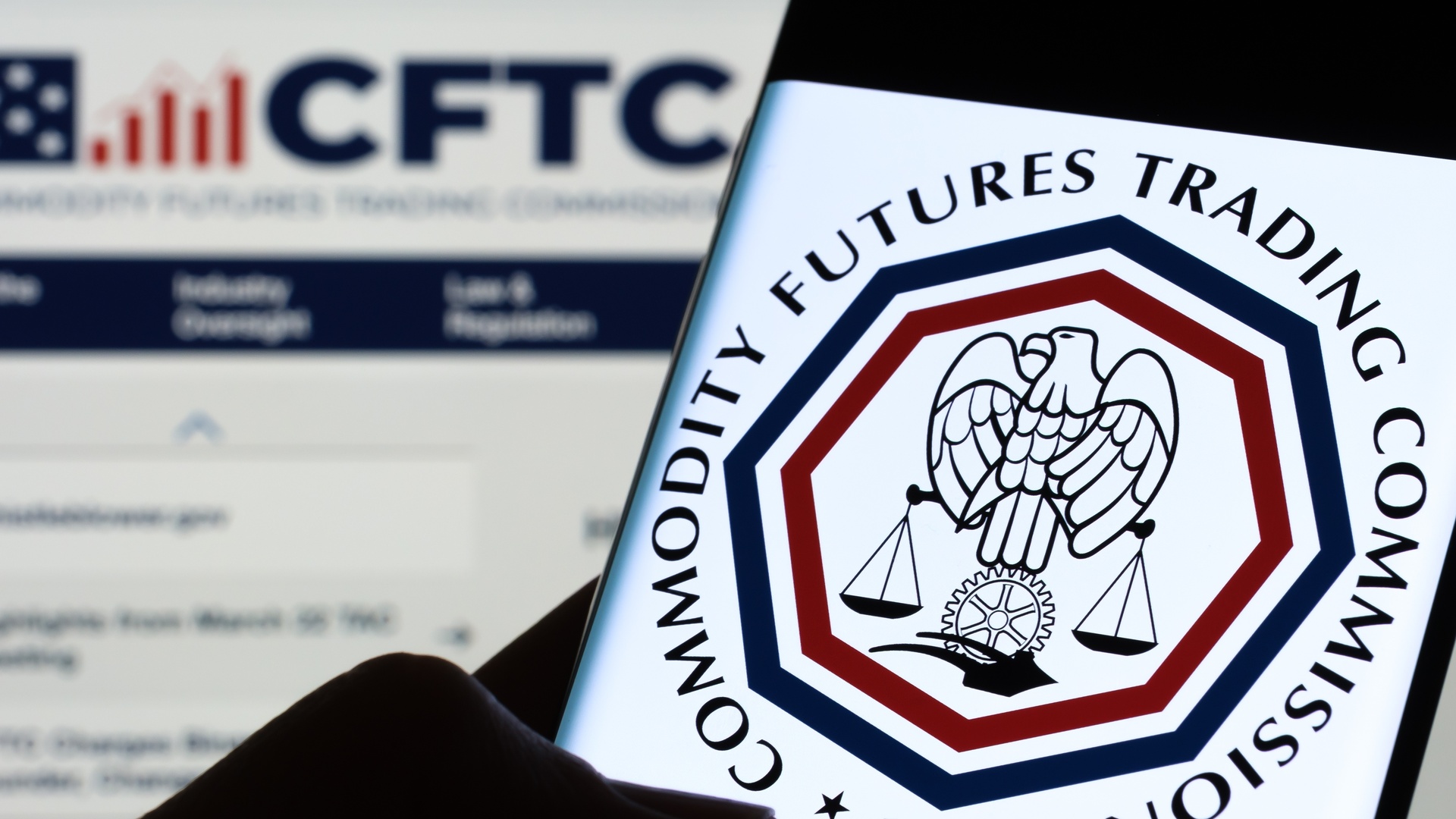
CFTC Chair Says New Crypto Rulemaking Will Prevent Another FTX-Style Collapse
Bitcoin Magazine CFTC Chair Says New Crypto Rulemaking Will Prevent Another FTX-Style Collapse CFTC Chair Mike...
 🎁 Get Rich Free
Strategic Breakdown: Deep-Dive Analysis into Crypto Airdrops and Global Market Dynamics
Comprehensive 2026 editorial analysis exploring Crypto Airdrops on Get Rich Free. Discover key strategic frame...
 🚀 RocketCoin Casino
Best Crypto Casino: Your Ultimate Guide to Playing With Digital Currency in 2026
Breaking coverage reported by Via Satellite: Best Crypto Casino: Your Ultimate Guide to Playing With Digital C...
 ⚡ LiveCoin Bet
Beyond the Odds: What Esports Fans Should Check Before Choosing an Online Sportsbook
Breaking coverage reported by OnPattison: Beyond the Odds: What Esports Fans Should Check Before Choosing an O...