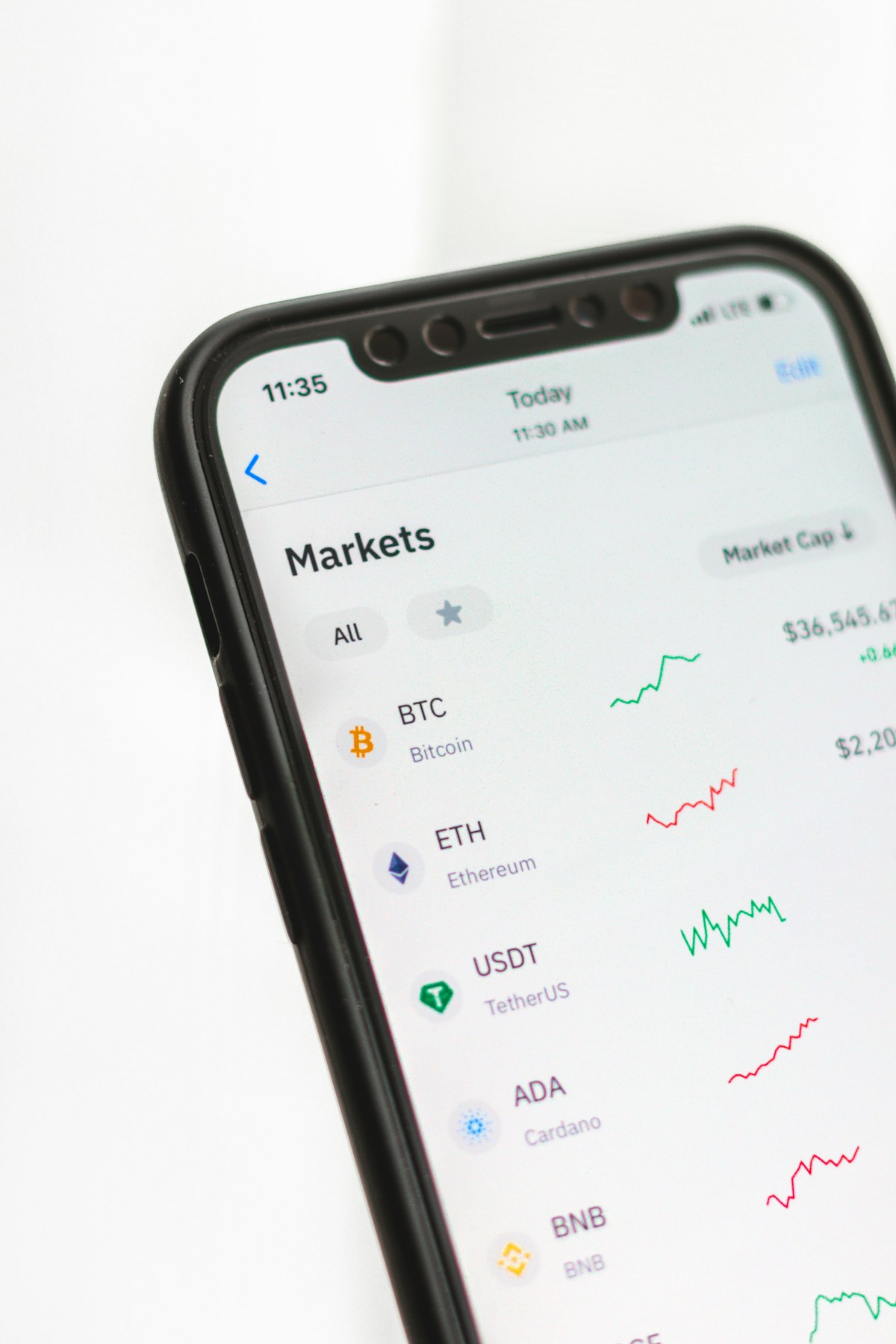
Whale wallets move markets, and their moves are visible on-chain before they show up on price charts. Learn the free tool stack — explorers, Arkham, DeBank, Whale Alert — and how to separate real signals from exchange noise.

Archive: November 2026
105 stories published in November 2026
Most crypto thefts do not break cryptography — they break people, through phishing, fake support agents, and careless seed phrase storage. Reported scam losses reached roughly $17 billion in 2025. Here are the mistakes that cost beginners money and how to avoid each one.
Bitcoin is digital gold — scarce, simple, and built to store value. Ethereum is a programmable platform — flexible, productive, and exposed to more risk. The better long-term hold depends on what you want the asset to do. Here is the honest comparison.
A rug pull is when a token's creators drain the liquidity and disappear, leaving holders with worthless coins. Most rug pulls share the same warning signs: anonymous teams, unlocked liquidity, and fake hype. Here is the checklist to run before you buy any new token.
Ethereum gas fees are the cost of using the network, and they spike when demand exceeds block space. Learn how gas actually works, why a simple transfer can cost $50 during a mint, and the practical ways to pay less.
Bitcoin mining is now an industrial business dominated by cheap power and specialised machines, while GPU mining for other coins is a different game entirely. Here is the honest 2026 profitability picture and how to calculate it for yourself.
DeFi gives you control but no safety net; CeFi gives you convenience but counterparty risk. Neither is fully safe, and beginners usually do better starting with a reputable centralised platform before exploring DeFi with small amounts. Here is the full comparison.
On-chain data shows what holders are actually doing, not what they are saying. Exchange outflows, long-term holder supply, and whale accumulation patterns often appear weeks before a price rally. Here is a practical framework for reading them.
USDT is bigger and more liquid; USDC is more transparent and more tightly regulated. Both have held their peg through crises, and both carry risks. Here is how their reserves, transparency, and real-world use compare.