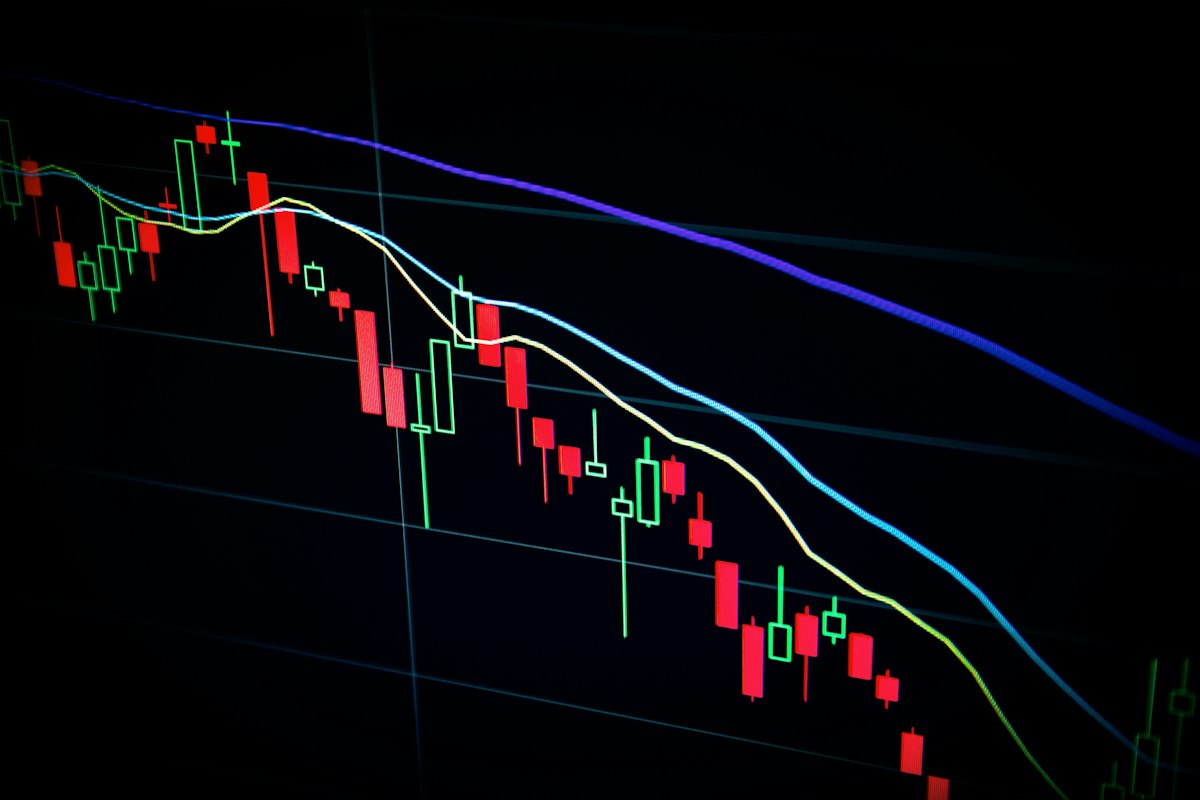
A crypto exchange is where you buy, sell and trade digital assets, but not all exchanges are equal. Learn how they work, what fees really cost, and how to pick one you can trust.
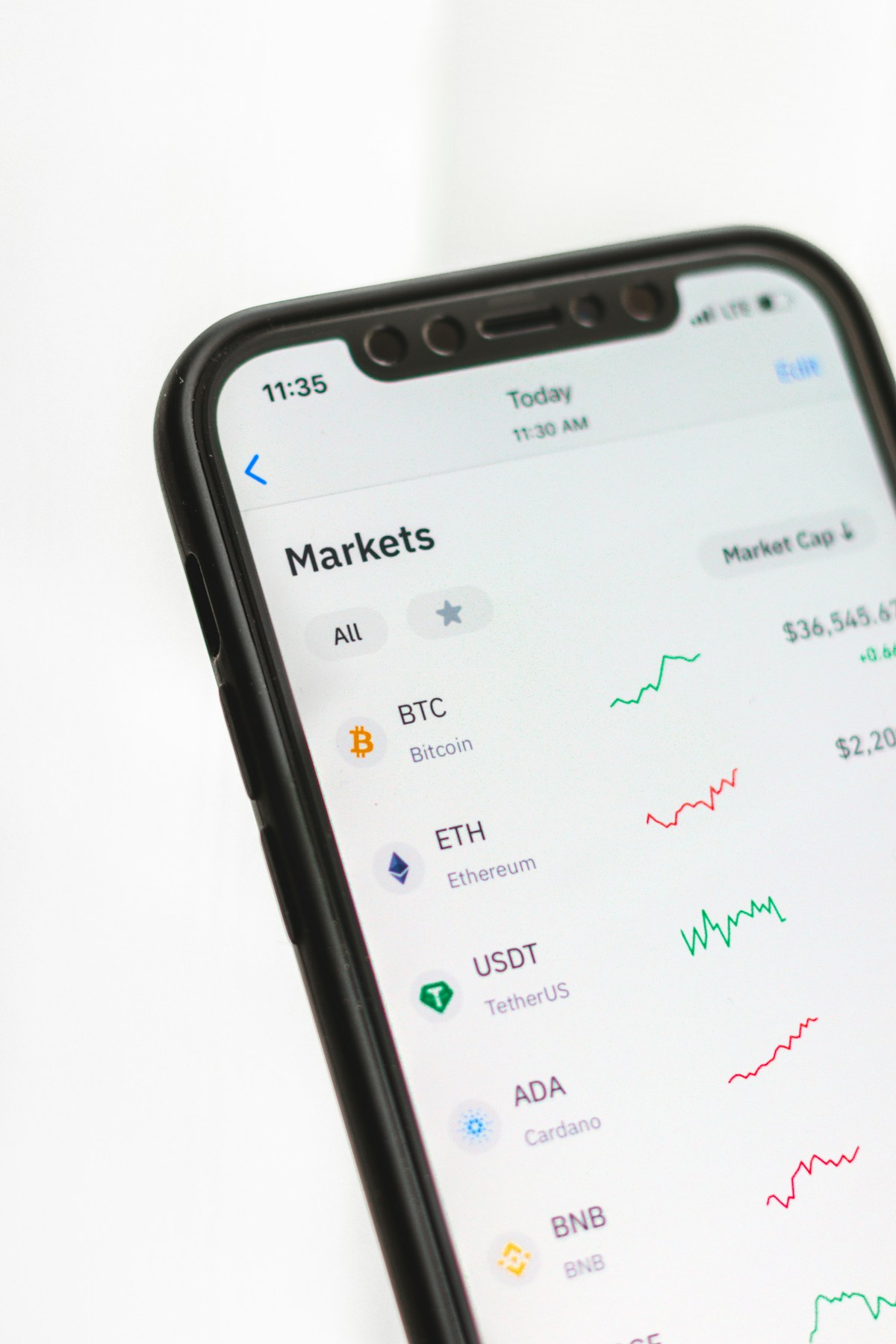
Staking and lending both pay you for holding crypto, but they work very differently. Compare returns, risks and lock-ups to decide which fits your goals in 2026.
What the glowing colors on a liquidation heatmap actually mean, how to spot liquidity magnets step by step, and the beginner mistakes to avoid.
A beginner guide to crypto portfolio diversification: how to spread risk across assets, avoid over-concentration, and rebalance without overtrading.
After FTX, proof of reserves became crypto's standard trust signal — but what it actually proves (and what it conveniently skips) matters more than the badge.
Crypto staking locks your coins in a proof-of-stake network to validate transactions, earning you reward tokens in return. This guide explains how staking works, where to stake, typical yields, and the risks to know.
A liquidity pool is a smart contract holding token pairs that powers decentralized exchange trading without order books. Learn how AMMs price swaps, what providers earn, and the key risks.
A crypto presale lets you buy tokens before public launch at a discount, but scams and failures are common. Learn how presales work, the red flags, and how to evaluate one safely.
Dollar-cost averaging means investing a fixed sum into crypto on a regular schedule, smoothing your average buy price. Here's how to set up a DCA plan and what it can't do.
Crypto often dips on weekends because thin liquidity lets small sell orders move prices, and liquidations cascade. But weekend crashes are a tendency, not a rule — here's why.
Most tax authorities treat staking rewards as taxable income when you receive them, then tax gains again when you sell. Learn the timing rules, record-keeping essentials, and common mistakes to avoid.
Cold storage means keeping your crypto private keys offline so hackers cannot reach them. A proper setup uses a hardware wallet, an air-gapped device, or paper/steel backups stored in a separate physical location.
Market makers constantly place buy and sell orders on crypto exchanges, earning money from the bid-ask spread. They matter because they keep markets liquid, which means tighter prices and faster trades for everyone.
A vesting schedule locks team and investor tokens for a set period, releasing them gradually. Investors should check it because large upcoming unlocks can flood the market and crash the price.
Gas fees spike when too many transactions compete for limited block space. You can time them by watching mempool congestion, using gas trackers, and transacting during off-peak hours like weekends.
MEV is the profit that block producers and bots extract by reordering or copying pending transactions. It costs traders through frontrunning, sandwich attacks, and worse execution prices on decentralized exchanges.
Tokenomics is a coin's economic design: its supply, distribution, and incentives. Read the max supply, unlock schedule, and insider allocation before buying, because bad tokenomics can sink even great technology.
Airdrops distribute free tokens to early users to bootstrap a community, usually requiring on-chain activity to qualify. They can be worth thousands, but most are small, and scams plus taxes complicate the picture.
Dollar-cost averaging means investing a fixed amount on a regular schedule regardless of price. In crypto it smooths out brutal volatility and removes timing decisions, though it underperforms lump sums in strong bull markets.
A crypto whale is an entity holding enough coins to move prices with single transactions. Whales move markets through large orders, exchange inflows, and OTC deals that signal shifts in supply and sentiment.
A UTXO is an unspent transaction output: the discrete chunk of bitcoin your wallet controls. Wallets assemble UTXOs like coins to build transactions, which affects fees, privacy, and security.
A crypto bridge locks tokens on one chain and mints equivalent tokens on another, moving assets across networks. Hackers target bridges because they custody huge sums in smart contracts — crypto's richest single targets.
Crypto restaking lets you reuse staked ETH to secure additional protocols, earning rewards on the same capital. Unlike basic staking, which secures one network, restaking stacks extra slashing risks from every protocol you opt into.
Proof of History is Solana's cryptographic clock: a sequential hash chain that timestamps events before consensus. By agreeing on time first, validators skip messaging rounds, letting Solana process thousands of transactions per second.