
How to Spot a Crypto Scam and Rug Pull Warning Signs
Learn how to spot a crypto scam and rug pull warning signs, from anonymous teams and locked liquidity claims to pressure tactics and too-good returns.
448 stories published in 2026
Learn how to spot a crypto scam and rug pull warning signs, from anonymous teams and locked liquidity claims to pressure tactics and too-good returns.

A plain-language introduction to crypto taxes basics for beginners, covering taxable events, record-keeping, and common mistakes to avoid. Not financial or tax advice.
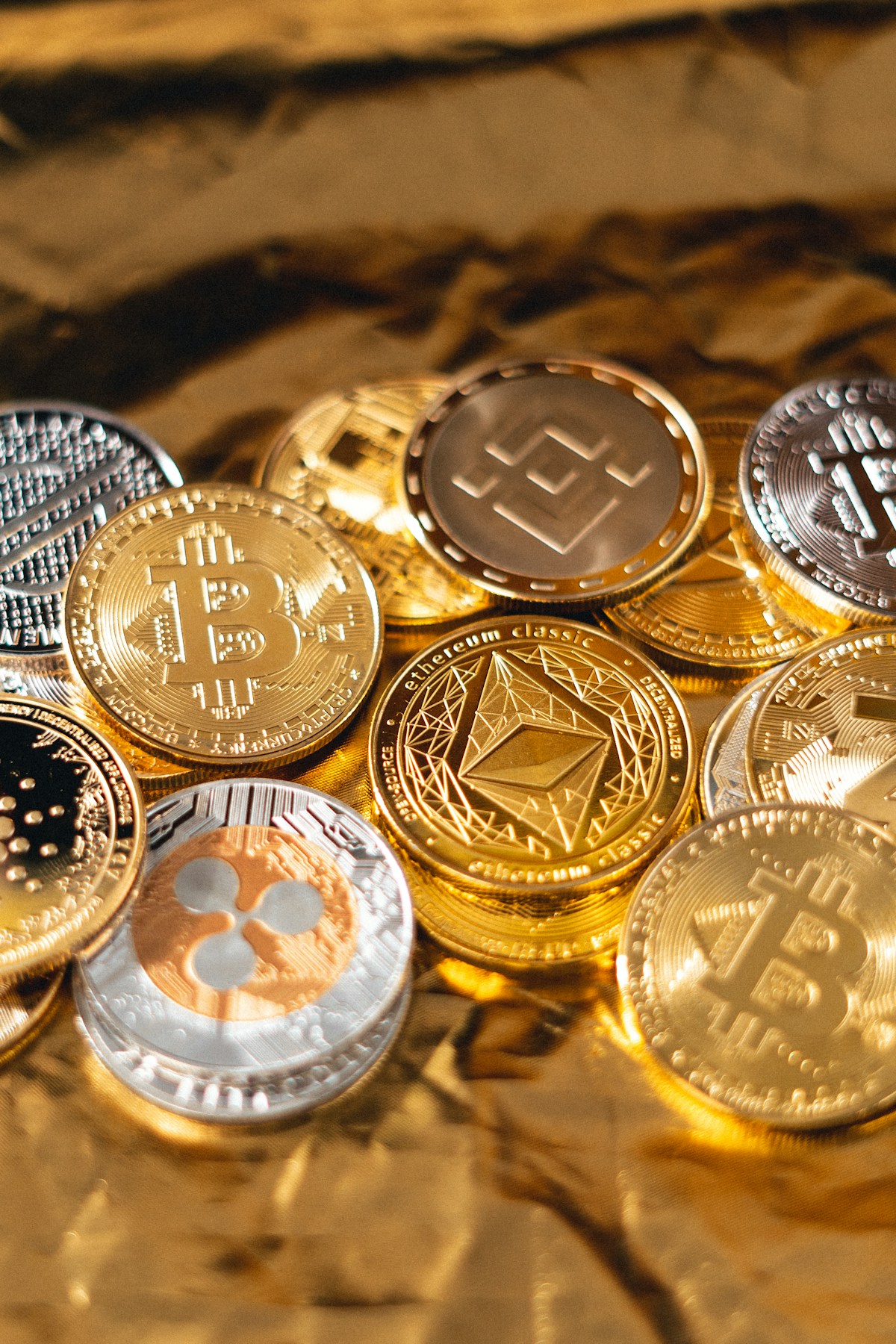
Layer 2 crypto networks explained simply: what they are, how rollups and other designs speed up blockchains, and what users should check before bridging.
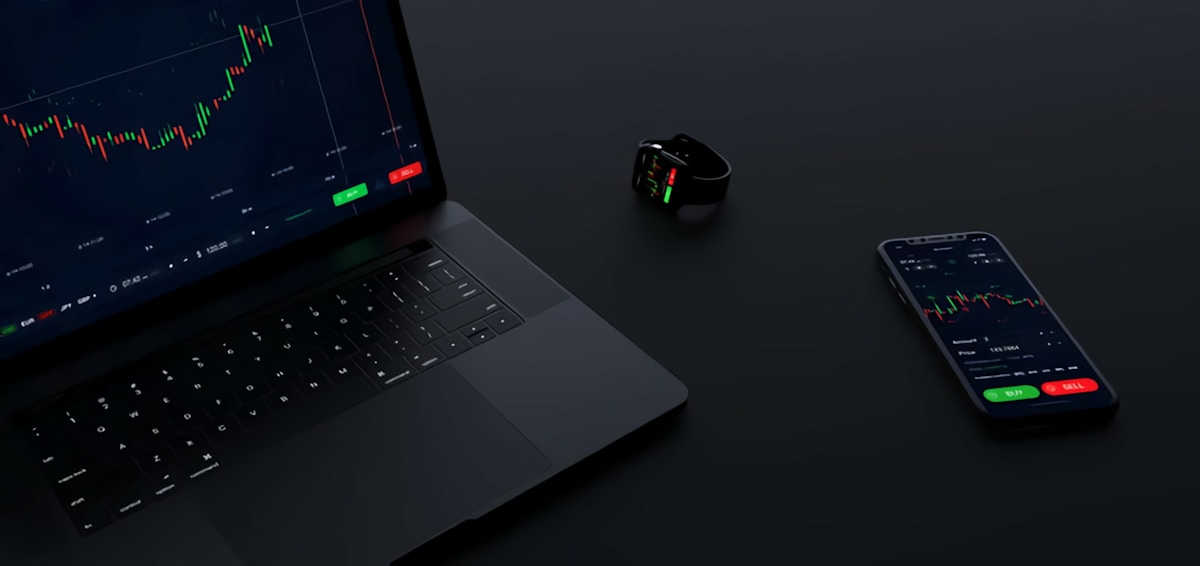
Crypto dollar cost averaging strategy explained: how regular fixed purchases work, what they do and do not protect against, and how to set one up.
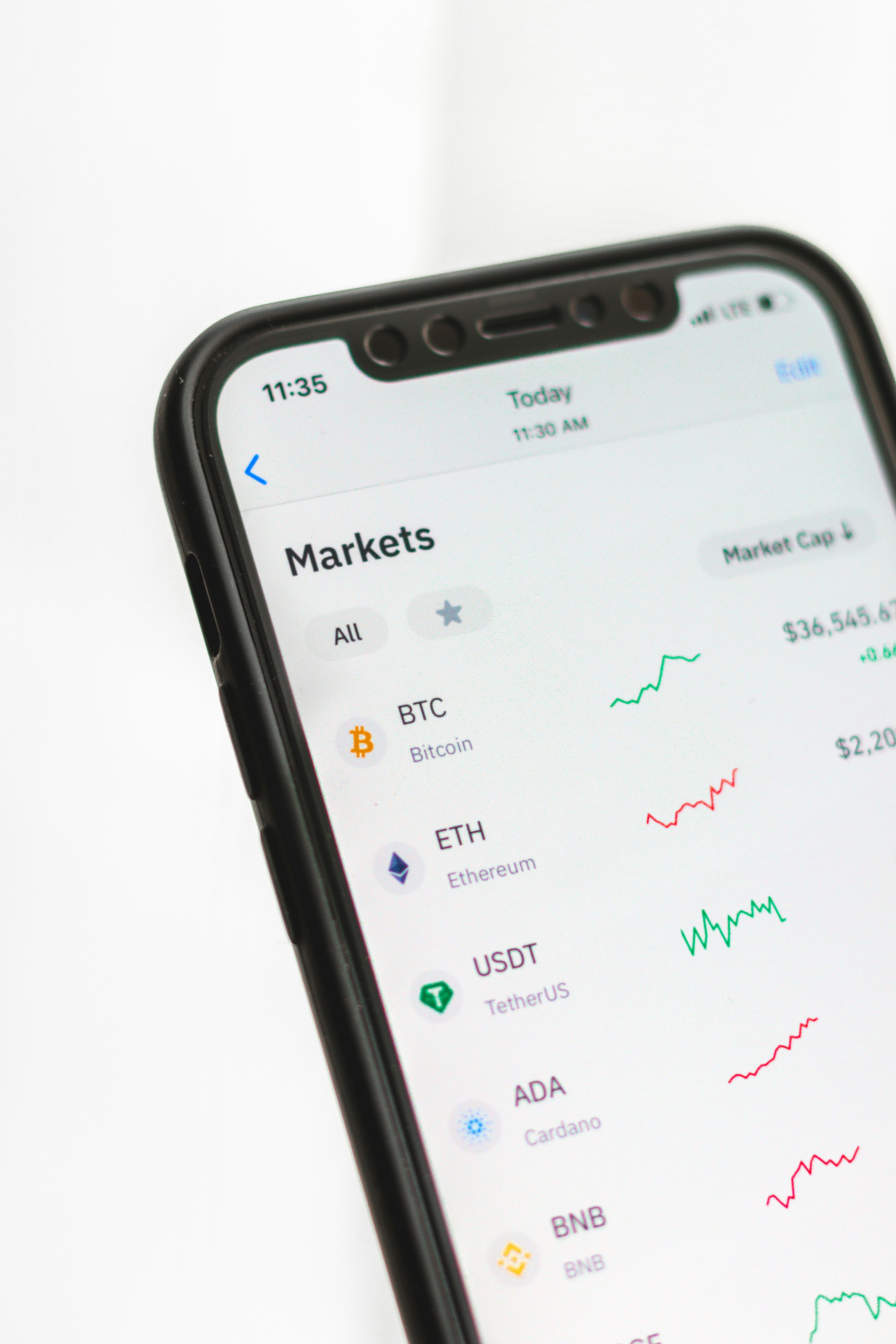
How does crypto staking work for beginners? Proof-of-stake explained plainly, the three ways to stake compared, a first-timer path in order, honest starter numbers, and the risks (slashing, lock-in, price moves) stated up front.

A seed phrase is the master key to your crypto wallet. Learn how it works, why it must stay offline, and how to store it safely.

Gas fees pay validators to process your transaction. Learn what drives them up, how they are calculated, and the practical ways to pay less.

Whale tracking reads large on-chain transfers for intent. Learn which signals matter, which are noise, and how to verify an alert before believing it.
A transaction is not final the moment you send it. Learn what confirmations mean, why exchanges wait for them, and how many different chains require.
Hot wallets are connected and convenient; cold wallets are offline and far safer. Learn the trade-offs and how most people should use both.

Tokenomics decides how many tokens exist, who holds them, and when new ones appear. Learn to read supply, distribution, and unlock schedules before judging a project.
Stablecoins aim to hold a steady dollar value through reserves or algorithms. Learn how each design works, why pegs break, and what to check before trusting one.
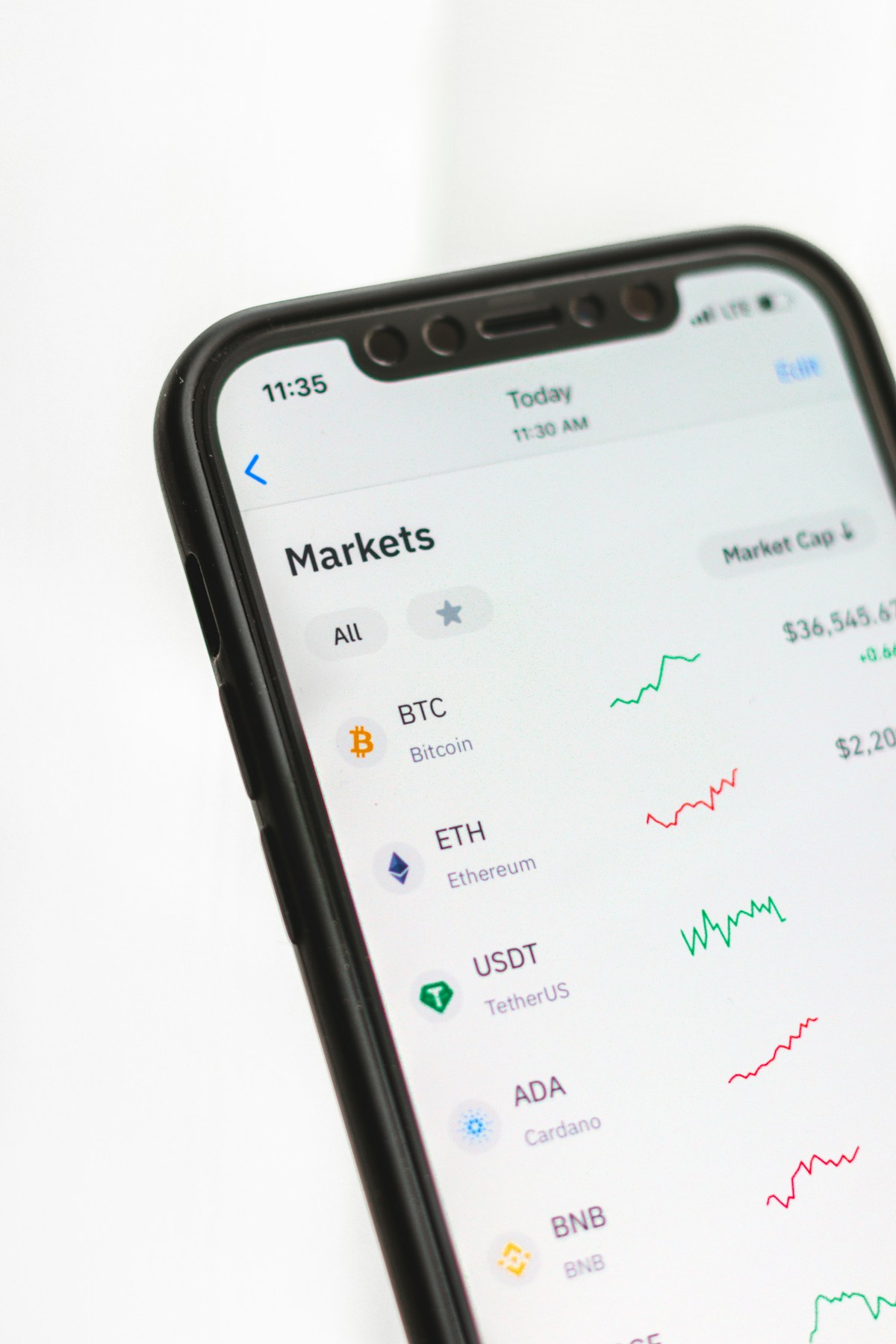
Wallet drainers steal crypto the moment you sign a malicious approval. Learn how phishing works, the red flags, and the habits that keep your funds safe.
A smart contract audit is an independent security review of blockchain code. Learn what auditors check, what an audit cannot guarantee, and how to read one.
DYOR means doing your own research, and it is a process, not a slogan. Use this checklist to evaluate a crypto project before risking any money.
About $3 billion has been frozen after the Binance breach, including $2.3 billion in USDT and USDC. Frozen is not yet recovered, and the investigation is ongoing.

A stage-by-stage timeline of the 29 October 2026 Binance breach, from the first reports to the freezes, the cover pledge, and the 1 November reserves checkpoint.
A memecoin airdrop sends free tokens to wallets, usually to build attention. This guide explains how they work and the checks that matter.
Token unlocks release locked supply into the market on known dates, and large unlocks can move prices sharply. Learn how vesting schedules work, where to find unlock calendars, and how to use them.
APY and APR describe the same staking return differently, and the gap between them comes from compounding. Learn what each number really means, the traps in advertised yields, and how to compare offers honestly.

Airdrop season brings fake claim sites designed to drain wallets. Follow this checklist: verify the airdrop, never trust unverified links, use a separate wallet, and review approvals after claiming.

A recovery phrase you have never tested is a hope, not a guarantee. Learn how to safely restore your phrase on a second device, catch common backup errors, and upgrade your storage before you need it.
Bitcoin ETFs let you buy Bitcoin exposure through a brokerage, while direct buying gives you the asset itself. Compare custody, fees, access, and taxes to decide which route fits your goals.
Rebalancing restores your crypto portfolio to its target allocations, selling some winners and buying laggards to keep risk where you planned it. Learn when to rebalance and how to do it without wasting fees.