What Is an Altcoin? A Simple Guide for Curious Beginners
- Primary Signal: What Is an Altcoin? A Simple Guide for Curious Beginners
- Overview: Everything that isn't Bitcoin is an altcoin — but they're not all the same. Learn the main categories, why they exist, and how to research them safely....
- Verification: Analyzed and compiled by CryptoAce VIP editorial monitoring desk.
An altcoin is simply any cryptocurrency that is not Bitcoin — 'alt' is short for alternative. Since Bitcoin launched in 2009, thousands of alternatives have appeared: Ethereum, Solana, Cardano, Dogecoin, and countless others you have seen in headlines. Together they make up more than half of the entire crypto market by value. Some were built to fix Bitcoin's limitations, some power entirely new technologies, and frankly, some started as jokes that accidentally became worth billions. Understanding the landscape starts with knowing they are definitely not all the same thing.
So why do altcoins exist at all? Because Bitcoin, for all its strengths, is deliberately simple — it mostly just moves value from person to person. Ethereum, the biggest altcoin, added 'smart contracts': programs that run automatically on the blockchain, which unlocked lending apps, digital art markets, and entire games with no middlemen. Solana focused on blazing speed and tiny fees. Others target privacy, file storage, or connecting different blockchains together. Each altcoin is essentially a startup making a bet that its particular approach to blockchain technology will win.
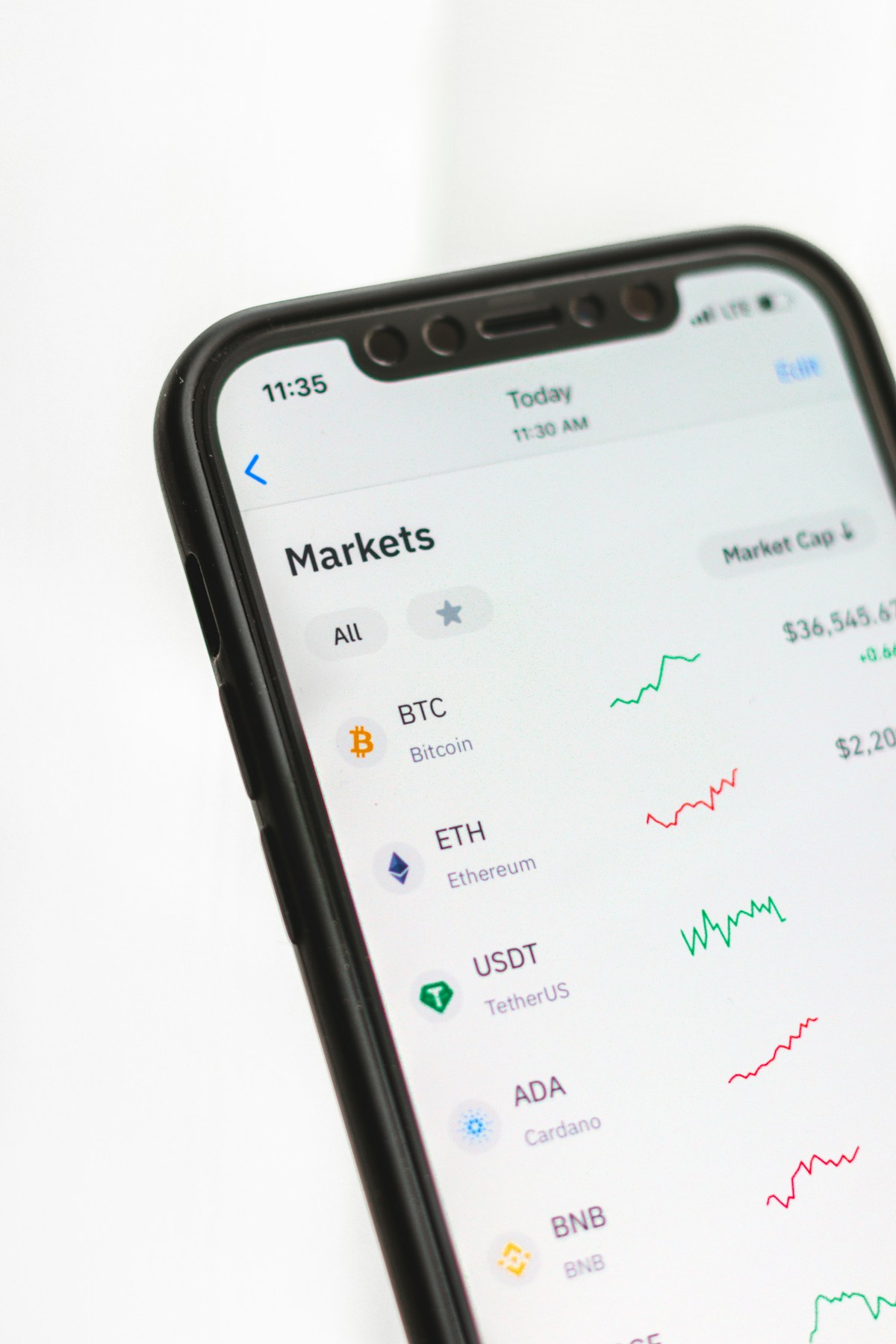
It helps to think in categories. Layer-1 coins like Ethereum and Solana are the 'operating systems' that other apps are built on top of. Stablecoins like USDT and USDC are pegged to the dollar and designed to stay at one dollar — traders use them as safe parking spots during volatility. Meme coins like Dogecoin started as jokes but gained real communities and real (if wild) price swings. Then there are DeFi tokens, which power decentralized finance apps for lending and trading without banks. Knowing a coin's category tells you what it is actually for.
Before touching any altcoin, do basic research — it takes twenty minutes and saves beginners constantly. Read the project's website and whitepaper: can you explain in one sentence what it does? Check who is behind it: real, public teams beat anonymous ones every time. Look at whether anyone actually uses it: real apps, real transactions, real developers building on it. Be extra careful with tiny new coins hyped on social media — 'pump and dump' schemes are everywhere. If the main selling point is 'it will go up,' walk away.
The honest risks: altcoins are far more volatile than Bitcoin, and most eventually fade to near zero — look back at past market cycles and you will find the majority of former top-100 coins are gone or irrelevant today. Rug pulls, where creators vanish with investors' money, still happen regularly. Only risk money you can fully afford to lose, never borrow to buy crypto, and stay deeply skeptical of influencers paid to promote coins. This article is educational, not financial advice. Curiosity is great — just bring your skepticism along for the ride.
More from CryptoAce VIP