Crypto Coin vs Token Explained: What's the Difference and Why It Matters
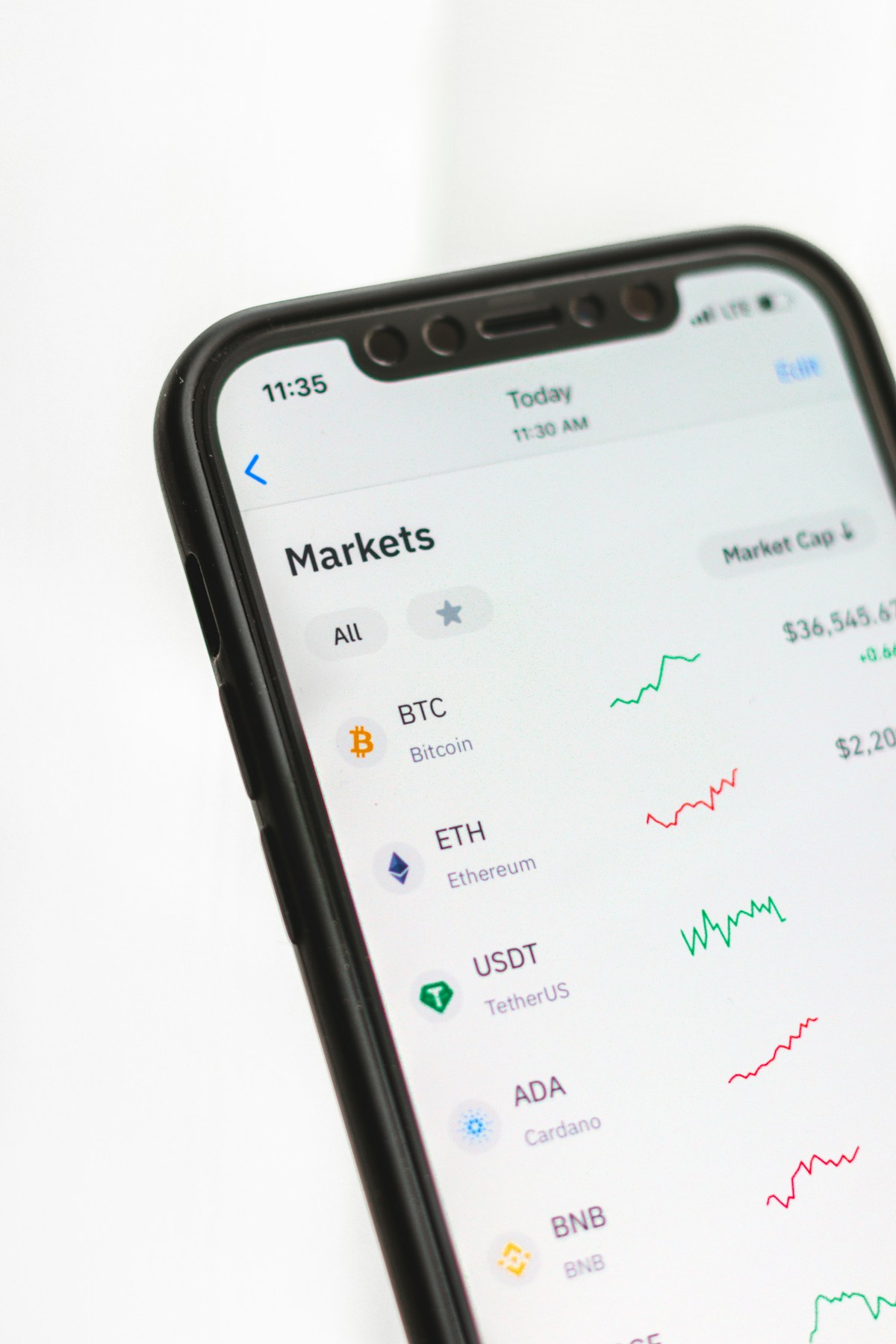
- Primary Signal: Crypto Coin vs Token Explained: What's the Difference and Why It Matters
- Overview: Coins run on their own blockchain while tokens run on someone else's, and this guide explains why that distinction matters for fees, risk, and research....
- Verification: Analyzed and compiled by CryptoAce VIP editorial monitoring desk.
Crypto beginners constantly hear the words coin and token used as if they mean the same thing, but they describe different kinds of digital assets. The distinction matters because it affects what an asset can do, how it is created, and what risks it carries. In short, a coin runs on its own blockchain, while a token runs on someone else's blockchain. That one difference explains most of what follows.
A coin is the native currency of its own blockchain. Bitcoin runs on the Bitcoin blockchain, ether runs on Ethereum, and each is used to pay for transactions and reward the network's validators or miners. Coins are primarily designed as money or as fuel for their network, and their supply rules are written into the blockchain itself. When you pay a gas fee on Ethereum, you pay it in ether, the network's coin, because the coin is part of the network's infrastructure.
A token is built on top of an existing blockchain using that blockchain's standards. Thousands of tokens run on Ethereum alone, created by projects for purposes such as representing a stable value, granting access to an application, or giving holders voting rights in a project. Creating a token is far easier than building a new blockchain, which is why new projects usually start as tokens. A token's value and usefulness depend on the project behind it and on the host blockchain continuing to work.
The distinction affects practical decisions. Coins generally have deeper liquidity and longer track records, while tokens vary enormously in quality, from established projects to experiments with little behind them. Fees also differ: using a token still requires paying gas in the host blockchain's coin, which surprises beginners who hold tokens but no coins for fees. When researching any asset, first establish whether it is a coin or a token, which blockchain it belongs to, and what purpose it serves.
A simple test helps: ask whether the asset has its own blockchain. If yes, it is a coin; if it lives on another blockchain, it is a token. Stablecoins are usually tokens, issued on one or more host blockchains. Governance tokens give voting rights in a project rather than acting as network fuel. Keeping this distinction clear will make project whitepapers, exchange listings, and wallet warnings far easier to understand, and it will help you avoid one of the most common beginner mistakes: treating every crypto asset as if it were the same kind of thing.
Before buying any crypto asset, run through a short checklist. Identify whether it is a coin or a token, which blockchain it lives on, what purpose it serves, and who is behind the project. Check whether its supply is fixed or inflationary, whether its code has been audited, and whether it has genuine users or only speculative trading. Read its documentation critically, and be wary of projects whose explanations are vague about what the asset actually does. This checklist takes ten minutes and filters out a surprising number of weak projects. In a market full of noise, a simple research habit is one of the most valuable tools a beginner can build.
Tokens follow standards that define how they behave, and recognising the common ones helps you use wallets and exchanges confidently. On Ethereum, the ERC-20 standard covers most fungible tokens, meaning tokens that are interchangeable like currency, while ERC-721 covers non-fungible tokens, which are unique items like digital collectibles. Other blockchains have their own equivalents, such as BEP-20 on BNB Chain. Standards matter because they determine whether your wallet can display a token, whether an exchange supports it, and whether it can interact with decentralised applications. When a wallet warns that a token uses an unsupported standard, take the warning seriously rather than forcing the transfer, because compatibility problems are a common cause of lost or stranded tokens.
📖 Continue Reading the Full Story
Continue reading this article on CryptoAce VIP.
⚡ Access Full Content NowMore from CryptoAce VIP


 🚀 RocketCoin Casino
How Do Instant-Play Crypto Casino Games Work Without Downloads?
Instant-play crypto casino games run entirely in your browser with no downloads needed. Learn how HTML5 techno...
⚡ LiveCoin Bet
Who Answers When Bitcoin Moves at 2 AM?
Crypto's biggest moments happen outside office hours. Compare the three real options for 2 AM coverage — staff...
 🪙 FreeFortune Crypto
Crypto Faucet Guide: Free Testnet Tokens and How to Use Them Safely
Faucets give away free testnet tokens so anyone can learn crypto without risking money. Learn how faucets work...
🤖 1UpTrade Quant
How Do Grid Trading Bots Work in Crypto Markets?
Grid trading bots place a ladder of buy and sell orders at fixed price intervals, automatically buying dips an...