USDT vs USDC: Which Stablecoin Is Safer to Hold?
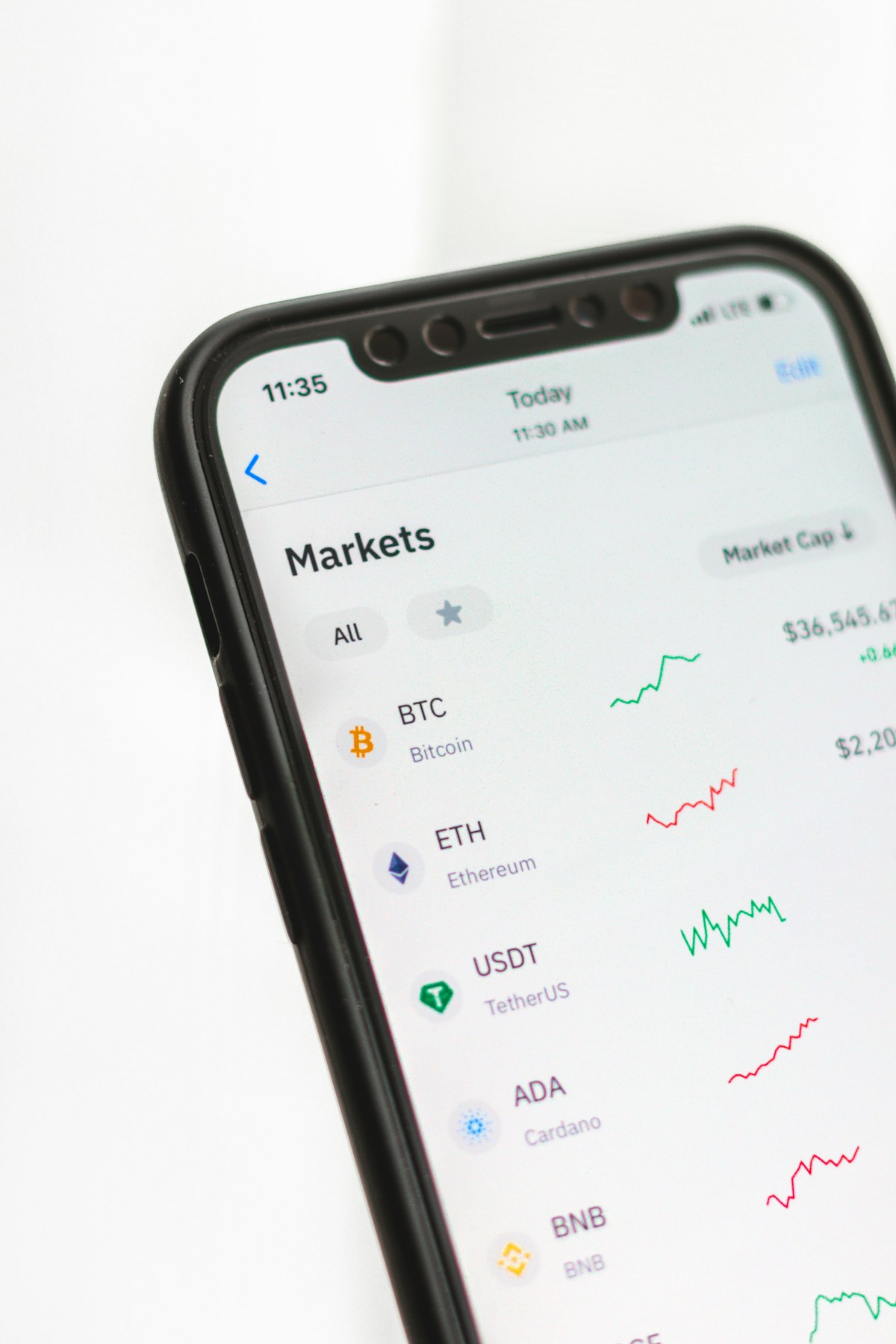
- Primary Signal: USDT vs USDC: Which Stablecoin Is Safer to Hold?
- Overview: USDT is bigger and more liquid; USDC is more transparent and more tightly regulated. Both have held their peg through crises, and both carry risks. Here is how their reserves, tran...
- Verification: Analyzed and compiled by CryptoAce VIP editorial monitoring desk.
USDT vs USDC is the most practical stablecoin question in crypto, because together the two tokens account for the vast majority of all stablecoin value, and most holders will end up using one or both. USDT, issued by Tether, is the larger and more liquid of the two, dominating trading pairs on exchanges around the world. USDC, issued by Circle, is smaller but more transparent, with regular attestations and reserves held mostly in cash and short-term US Treasuries. Both have held their dollar peg through market crashes, bank failures, and regulatory pressure, and both carry real risks. The safer choice depends on what you value most: liquidity or transparency.
Reserves and Transparency Compared
The core difference is what backs the token and how openly the issuer proves it. USDC publishes regular attestations from independent auditors, and its reserves are held mainly in cash and short-term US Treasury bills — the safest, most liquid assets available. Circle is a US-regulated company, which adds a layer of oversight and accountability. USDT's reserves are larger and more diverse, including Treasuries, but also other assets, and Tether's disclosures have historically been less detailed than Circle's, which has led to years of debate about the exact composition of its reserves. Tether has improved its reporting over time and now publishes regular attestations, but the transparency gap has not fully closed. If your priority is knowing exactly what backs your stablecoin, USDC has the stronger record. If your priority is the deepest liquidity and the widest acceptance, USDT leads.
Peg History and Real-World Stress Tests
Both stablecoins have been stress-tested. USDT briefly lost its peg during periods of extreme market fear, most notably in 2022, but recovered quickly as traders bought the discounted token and redeemed it for a dollar. USDC lost its peg in March 2023 when Silicon Valley Bank failed and Circle revealed it held $3.3 billion of reserves there — the token fell to around $0.87 before recovering within days once regulators guaranteed depositors. Both episodes teach the same lesson: even the best stablecoins can depeg temporarily, and recovery depends on the quality of the reserves and the credibility of the issuer. Neither token has ever failed permanently, but neither is risk-free, and holders who treat a stablecoin as equivalent to a bank deposit are misunderstanding the product.
Which One Should You Hold?
For trading, USDT is usually the better choice: it has the deepest liquidity, the tightest spreads, and the widest range of trading pairs, especially on international exchanges. For holding and saving, USDC is usually the better choice: its transparency and regulatory standing make it easier to trust for larger amounts held over longer periods. Many experienced holders split their stablecoins between the two, so that a problem with one issuer cannot wipe out their entire dollar-denominated balance. Whatever you choose, hold stablecoins in a wallet you control rather than on an exchange, remember that stablecoin issuers can freeze specific addresses, and never hold your entire net worth in any single stablecoin. A $1 peg is a promise backed by reserves and reputation — and both deserve regular checking.
Frequently Asked Questions
Is USDC safer than USDT? On transparency and regulatory oversight, yes — USDC has the stronger record. On liquidity and global acceptance, USDT leads. Most holders treat USDC as the safer long-term hold and USDT as the better trading tool.
Can Tether or Circle freeze my USDT or USDC? Yes. Both issuers can blacklist specific addresses, usually at the request of law enforcement. Holding stablecoins in your own wallet does not prevent this; it is a property of the token's smart contract.
Should I hold all my stablecoins in one token? No. Splitting between USDT and USDC reduces the impact if one issuer has a problem, and it gives you flexibility across exchanges and DeFi protocols that may prefer one or the other.
📖 Continue Reading the Full Story
Continue reading this article on CryptoAce VIP.
⚡ Access Full Content NowMore from CryptoAce VIP



 🚀 RocketCoin Casino
Crypto Dice Under and Over Betting: A Strategy Guide for Beginners
A beginner guide to crypto dice under and over betting: how win chance, payout, and bankroll math connect, and...
 ₿ Lucky Satoshi
Automation & Integration: Typing Speed Test — WPM & Accuracy Test Online (Day 27 Guide)
Streamlining daily analytics with our Typing Speed Test — WPM & Accuracy Test Online on Lucky Satoshi. Discove...
 ⚡ LiveCoin Bet
2026 Industry Analysis: Calculadora de Parlay — Odds Combinadas e Prêmios (Day 3 Guide)
Why experts rely on Calculadora de Parlay — Odds Combinadas e Prêmios on LiveCoin Bet. Discover essential mark...
 💎 Try2Rich
How to Rent Out Your Garage for Storage Income: A Practical Guide
An empty garage is rentable space. Learn how storage rental platforms work, what to charge, and how to protect...